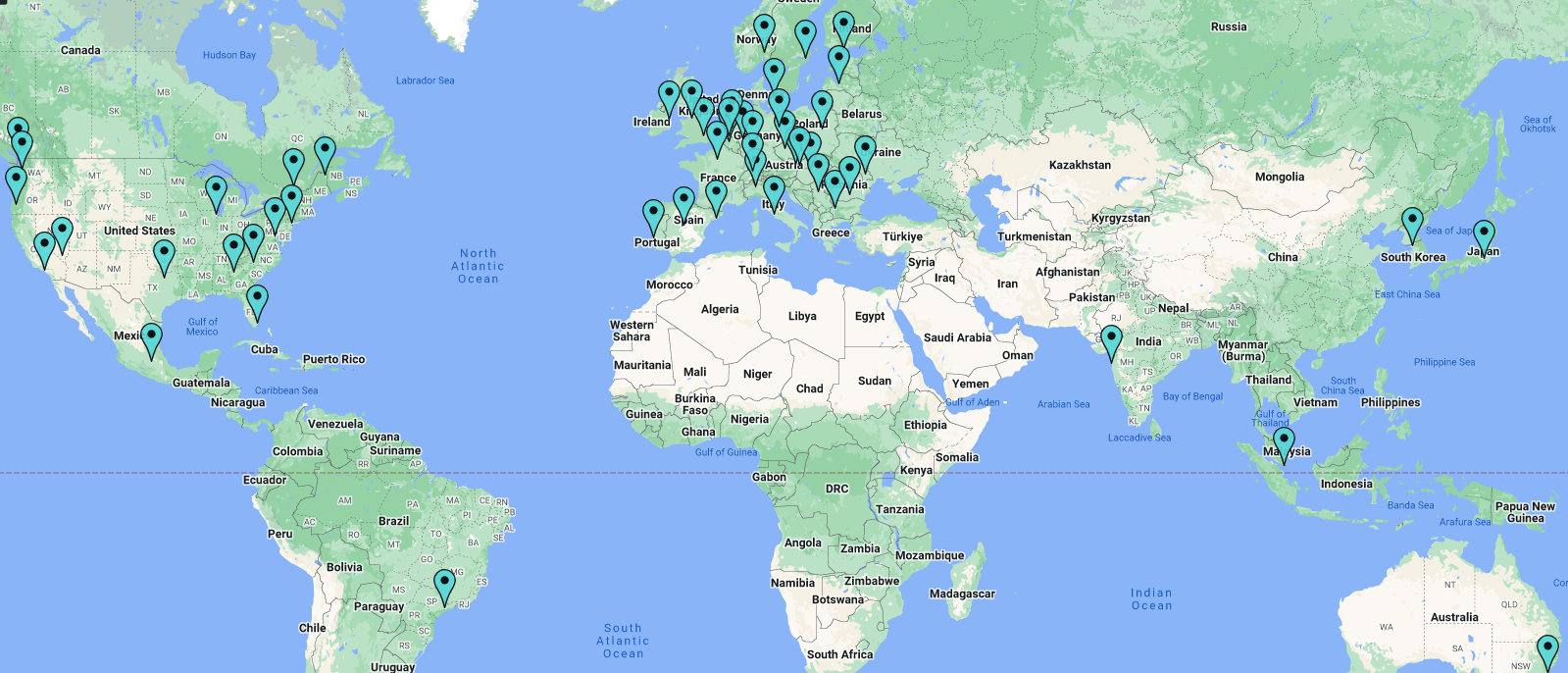
dedicated servers only
Our VPN servers never save data that can be used to identify a customer.
Use our server-side multihop to seamlessly doublehop between endpoints.
Don't trust that we're not logging?
Use client-side multihop and connect to another VPN (or Tor) before you connect to us.
no proprietary code
Available for review here.
(too many) details on how the network operates available on our blog and on our
privacy policy page.
anonymous authentication
Access tokens are hashed before connecting. Compromised or confiscated servers can't be used to identify clients.
roots in Iceland, entities worldwide
No central office, anywhere.


Despite the progress made by Indian women, there are still many challenges that they face. One of the major challenges is the persistence of patriarchal attitudes and biases. Many women continue to face discrimination and violence, particularly in rural areas. They also face significant barriers in accessing education and employment opportunities.
India is not a monolith; it is a subcontinent of 28 states, over 1,600 languages, and countless gods and rituals. Consequently, the lifestyle and culture of its women vary drastically—from the snow-capped mountains of Kashmir to the tropical backwaters of Kerala. This article explores the intricate layers of the modern Indian woman’s life, balancing the ancient weight of tradition with the jet-fueled speed of modernity.
Festivals and rituals further underscore the cultural significance of women. Whether it is the fasting of Karwa Chauth for the longevity of husbands or the vibrant celebrations of Navratri and Durga Puja , women are the primary drivers of religious and cultural continuity. Their role in preserving culinary heritage is equally vital; recipes passed down through generations ensure that the "taste of home" remains a cornerstone of Indian identity. In this traditional framework, a woman’s lifestyle is often community-centric, prioritizing collective harmony over individual ambition.
Education has been a key factor in empowering Indian women. With access to education, women have been able to acquire skills, knowledge, and confidence, enabling them to participate in the workforce, make informed decisions, and challenge social norms.
The family remains the cornerstone of life for most Indian women.
Despite the progress made by Indian women, there are still many challenges that they face. One of the major challenges is the persistence of patriarchal attitudes and biases. Many women continue to face discrimination and violence, particularly in rural areas. They also face significant barriers in accessing education and employment opportunities.
India is not a monolith; it is a subcontinent of 28 states, over 1,600 languages, and countless gods and rituals. Consequently, the lifestyle and culture of its women vary drastically—from the snow-capped mountains of Kashmir to the tropical backwaters of Kerala. This article explores the intricate layers of the modern Indian woman’s life, balancing the ancient weight of tradition with the jet-fueled speed of modernity.
Festivals and rituals further underscore the cultural significance of women. Whether it is the fasting of Karwa Chauth for the longevity of husbands or the vibrant celebrations of Navratri and Durga Puja , women are the primary drivers of religious and cultural continuity. Their role in preserving culinary heritage is equally vital; recipes passed down through generations ensure that the "taste of home" remains a cornerstone of Indian identity. In this traditional framework, a woman’s lifestyle is often community-centric, prioritizing collective harmony over individual ambition.
Education has been a key factor in empowering Indian women. With access to education, women have been able to acquire skills, knowledge, and confidence, enabling them to participate in the workforce, make informed decisions, and challenge social norms.
The family remains the cornerstone of life for most Indian women.